Reasons to Stay

Read anonymous letters of encouragement on themes such as loneliness, grief and low mood. There is no need to post anything or reply.
Some letters discuss suicide. These are personal accounts, not a live support service.
Everyday support
Things to read, share or do together. Choose something that might interest them.
Suggestions from organisations and some of our own choices. These are not treatments.
Letters to read, experiences to share and places to connect with other people.
Read anonymous letters of encouragement on themes such as loneliness, grief and low mood. There is no need to post anything or reply.
Some letters discuss suicide. These are personal accounts, not a live support service.
Mind’s moderated online community offers posts, comments and messages for people who want to connect with others beyond their existing circle.
Members share personal experiences, not treatment advice. The community does not provide professional care or crisis support.
Looking for a group for yourself as a friend, partner or family member? Find people who understand supporting someone.
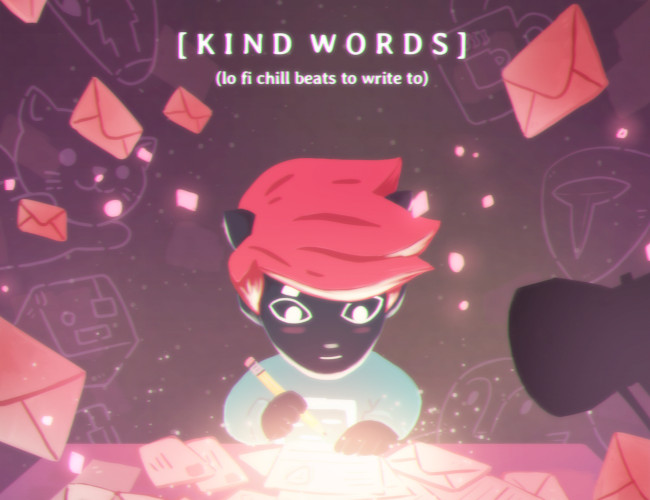
Exchange anonymous letters of encouragement with other players and collect stickers for your room. An option for someone who enjoys writing rather than talking.
You will encounter other people’s worries. Replies come from players; this is not professional care or an urgent-help service.
Look after a virtual bird by completing self-care activities and personal goals. It may appeal to someone who enjoys a character to care for alongside their own routine.
It can also feel like another task list. Let them choose their goals and keep control of what they share.
Jigsaw Planet, 2048 and GeoGuessr are listed in Mind’s suggestions from its supporters. The other games are our own selections for something to enjoy alone or together.
Guess a five-letter word in six attempts. Everyone gets the same daily puzzle, giving you something to compare over a message or call. Solve it together or separately.
Best for someone who enjoys words. The limited guesses and daily streak may feel frustrating.
Put a picture together on screen, alone or sharing a screen. Choose Play As → Custom to adjust the pieces and difficulty.
The gallery includes user-uploaded pictures. Saving limits apply when you are not signed in.
Slide and combine matching numbered tiles to reach 2048 before the board fills up. An option for someone who enjoys patterns rather than word puzzles.
Use arrow keys on a computer or swipes on a phone. It takes attention and planning.
Work out where you are from street imagery, using clues such as road signs, buildings and plants. Two people can share a screen and puzzle it out together.
Some modes are timed or competitive. The daily challenge is free; other modes need a subscription.
Build a landscape from tiles showing villages, woods, fields and rivers. Try Creative Mode if arranging the landscape appeals more than chasing a score.
There is more to learn than with a daily puzzle. Check the trailer and your device before buying.
Take turns making lines of tiles with matching colours or shapes. A game to share away from a screen, without spelling challenges or facts to remember.
The rules and scoring still take concentration. Read the rules before buying or borrowing a set.
Explore a fantasy world and solve puzzles with other players. Friends who live apart can meet in the game and spend time together.
Some areas can feel intense. A download and internet connection are needed; check that your devices are supported.
Specific places to find a story, conversation or sound you might want to return to.
Borrow an audiobook through your local library’s digital service, such as Libby or BorrowBox. Helping with the login or downloading their chosen book may be useful.
Collections vary and popular titles may have a waiting list. Libby includes offline listening, speed controls and a sleep timer.
Guests choose eight pieces of music and talk about their lives. Pick someone they are interested in, then listen together or swap thoughts afterwards.
Episodes can include bereavement and other difficult experiences. Read the description first; there is no need to finish in one sitting.
Try sleep stories and sounds from Calm’s free Essentials collection. The Nordland Night Train is a narrated journey; Ocean Waves offers background sound without a voice.
Use the free collection link below. The wider app includes paid content.
Guided meditation, sleep stories and sounds without a paid trial to cancel. Choose a spoken practice or background sound, depending on what appeals.
Meditation will not suit everyone; let them decide whether to try it.
Sample sleepcasts, white noise and music before considering a subscription. Focus with Hans Zimmer’s Music is one option for someone who prefers music to a spoken exercise.
These are previews. Check any trial’s payment and cancellation terms before signing up.
RNIB Talking Books is free for eligible readers with sight loss or another impairment that prevents reading standard print. Options include digital listening, DAISY CD and USB; ask RNIB about a suitable player and joining by phone if needed. Check eligibility and digital registration.
Service formats, cost and eligibility checked: 8 October 2026.
Tools you can use straight away and projects with instructions. Check the materials before starting.
Drag across the screen to draw flowing patterns with light and colour. Experiment with symmetry and save the result; there is no need to draw a recognisable subject.
Tap squares to make a repeating musical pattern. Hear each change as you make it, or take turns adding notes together. No music-reading is needed.
The sound repeats. Use headphones if others in the room do not want to hear it.
Make a paper butterfly using Origami.me’s diagrams or video. A square of paper is all you need; the tutorial recommends around 15 cm.
Folding takes attention and dexterity. The web instructions are free; some downloads require an email address or payment.
Choose an indoor or outdoor gardening project from Thrive, a charity that uses gardening to support health and wellbeing. Its leaf-cutting guide explains how to grow new houseplants from suitable leaves.
Check the materials and ongoing care needed. Thrive recommends spring to early summer for the leaf-cutting project.
Browse Thrive’s gardening guides · See the leaf-cutting project
For more starting points, Mind’s practical activities page includes writing prompts, craft videos and music-making tools such as ToneMatrix.
Options for a regular activity outside the home or online. Check the joining details before making plans.
Listen to a story or poem read aloud, with pauses for discussion. There is no book to finish beforehand, and The Reader says it is fine just to listen.
Check the group listing for booking, access and who it is for.
Recovery colleges offer courses on mental health and wellbeing. Look through the local NHS mental health trust; subjects and entry arrangements vary.
Dorset example: free courses bring together NHS staff and people with lived experience, in person, online and through self-directed learning. Friends, family and carers can enrol too.
Dorset courses are for people aged 18+ who live in Dorset or use local health services. Register and book your own place if attending together.
Re-engage offers free companionship services, mainly for people aged 75 or over who are lonely or isolated. Options include call companions and tea parties. Check local availability and whether the service meets their access needs. Family and friends can make a referral with the person’s permission.
Audience, cost and referral consent checked: 8 October 2026. These are companionship services, not mental-health treatment.
Sometimes the useful contribution is sorting out a specific job or making a visit easier.
Ask what they need, then check items and arrangements with the ward. Clothes, toiletries, glasses, reading material, phones and chargers may be welcome, but restrictions vary.
Hospital visiting: what to bring, ward rounds and concerns
Further reading: Rethink’s answers for family and friends.
Offer a specific job and agree what would help:
Agree when you will do it and whether it is a one-off. Decisions and access to money or accounts stay with them unless another arrangement has been properly agreed.
Watch a familiar programme, follow a match or work on separate things in the same room. Every visit does not need a planned activity or a conversation about mental health.
Share a photo of a pet, a friend or something you have been doing. There is more on keeping in touch and knowing when to get help.
Choose a condition for a few points to consider. Their preferences and care plan still guide what you offer. You do not need to choose a diagnosis to use this page.
An invitation can be small: one song, a familiar programme or company with one task. Let them decline without treating it as a setback.
Sources: Mind: supporting someone with depression.
Ask what would make an activity manageable. Agree support and pace together; do not turn a visit into a surprise test of a fear.
Sources: Mind: supporting someone with anxiety.
Ordinary time together can sit alongside treatment. Agree how to respond to reassurance or rituals with the person and their therapist; do not abruptly stop support.
Sources: NICE: involving family in OCD treatment.
What suits a low mood may not suit a rising one. During mania or hypomania, quieter surroundings and less stimulation matter more than adding activities. Follow their care plan.
Read the Bipolar disorder guide
Sources: NICE: bipolar disorder.
Ask what feels comfortable today. If everyday contact is becoming difficult, ask the care team about family intervention for practical support with communication and planning.
Sources: NICE: family intervention for psychosis.
Check their care plan before suggesting exercise, including a walk. Ask the team about suitable activities and follow their advice around meals and rest.
Read the Eating disorders guide
Sources: NICE: eating disorders.
Explain the plan, ask before touching and let them choose whether to talk about their experiences. Agree what helps if an activity feels overwhelming.
Sources: Mind: supporting someone with PTSD.
Acknowledge how they feel and ask whether company or a shared activity would be welcome. Be clear about your availability and avoid promises you cannot sustain.
Sources: Mind: supporting someone with BPD.
You can offer ordinary company and seek advice for yourself. Ask a family support service for help with difficult boundaries; urgent safety concerns still need a response.
The additions to the condition notes were checked against their linked sources on 23 September 2026. These checks are separate from the provider-information dates above.